<img alt="" src="https://secure.doll8tune.com/223185.png?trk_user=223185&amp;trk_tit=jsdisabled&amp;trk_ref=jsdisabled&amp;trk_loc=jsdisabled" height="0px" width="0px" style="display:none;">
Skip to content
Back
July 10, 2023

Vendor ESG Due Diligence Process Made Easy

Discover how to use Gatekeeper to help improve vendor due diligence for any ESG requirements.
Daniel Barnes
Daniel Barnes
<span id="hs_cos_wrapper_name" class="hs_cos_wrapper hs_cos_wrapper_meta_field hs_cos_wrapper_type_text" style="" data-hs-cos-general-type="meta_field" data-hs-cos-type="text" >Vendor ESG Due Diligence Process Made Easy</span>

As the world becomes more conscious of environmental, social, and governance (ESG) issues, it's no surprise that companies are starting to assess the sustainability and societal impact of their supply chains.

But figuring out how to get started with vendor ESG due diligence can be intimidating.

In this blog post, we'll break it down into easy-to-follow steps and show you how you can get this set up in minutes by utilising VCLM software and our ESG Due Diligence Best Practice Workflow.

Understanding ESG

Before we dive into the vendor ESG due diligence process, let's first understand what ESG means.

I know many of you have probably dealt with some facet of sustainability or corporate social responsibility (CSR) previously.

When I was in public sector procurement between 2015-2018, we started to incorporate more elements into our Request for Proposals (RFP) that covered the environmental and social elements of ESG.

We just didn’t call it ESG.

So it’s nothing new but there is a larger spotlight on it than ever before.

What is ESG?

ESG stands for Environmental, Social, and Governance. It’s a subset of Sustainability and fundamentally feels like an iteration on CSR.

Environmental factors

Environmental factors assess a company's impact on the environment, including its:

  • Carbon footprint
  • Use of renewable energy
  • Waste disposal methods
  • Impact on biodiversity

Social factors

Social factors examine how a company manages relationships with its employees, suppliers, customers, and communities, including:

  • Labour practices
  • Human rights
  • Product safety and quality
  • Contribution to the local communities

Governance factors

Governance factors look at a company's leadership, executive pay, audits and internal controls, and shareholder rights, including:

  • Diversity of the board
  • Accurate and transparent accounting methods
  • Policy on lobbying
  • Avoidance of conflicts of interest

Four Steps for Vendor ESG Due Diligence


1. Define ESG Goals and Criteria

To assess vendors on their ESG performance, you need to define your ESG goals and criteria. It's best if these are company-wide, and you can then take the elements that your supply chain influences and build out a due diligence questionnaire from there.

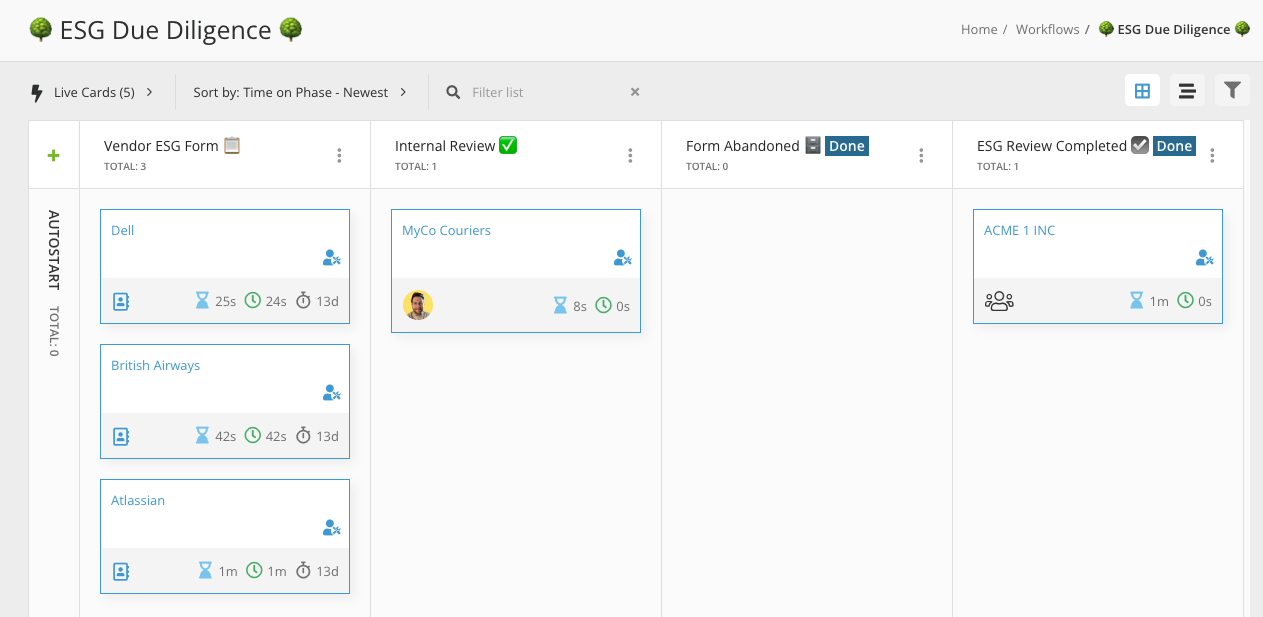
Developing your ESG due diligence questionnaire might feel overwhelming, but there are resources available to help. For example, Gatekeeper offers an ESG Best Practice Workflow that contains compliance-ready ESG questions.

ESG Best Practice Workflow

You might not need all the questions or may want to change a few, but it's set up ready to be used and takes away the fear of the blank screen. These questions should align with your ESG goals and criteria.

2. Review, Approve, or Reject Vendors Based on ESG Responses

Once you've built your questions, you'll want to ensure you take the time to review, approve, or reject your vendors based on their ESG responses.

This will be based on your ESG playbook, which should outline the standards that need to be met in order to approve onboarding that vendor.


Don't neglect this step. It's important to ensure that your vendors meet your ESG criteria to avoid any negative impact on your reputation or legal consequences.

3. Conduct Site Visits to Lead the Way

Desk-based due diligence is a good start, but to validate your vendors' answers, you'll need to go beyond the screen and visit your vendors.

There's no better way to confirm that your vendors are doing what they say they are than a site visit, interviewing random members of staff, or observing their practices.


I used to visit vendors in my defence days across the south coast of England. We’d do desk-based checks but there was only so much that would tell us.

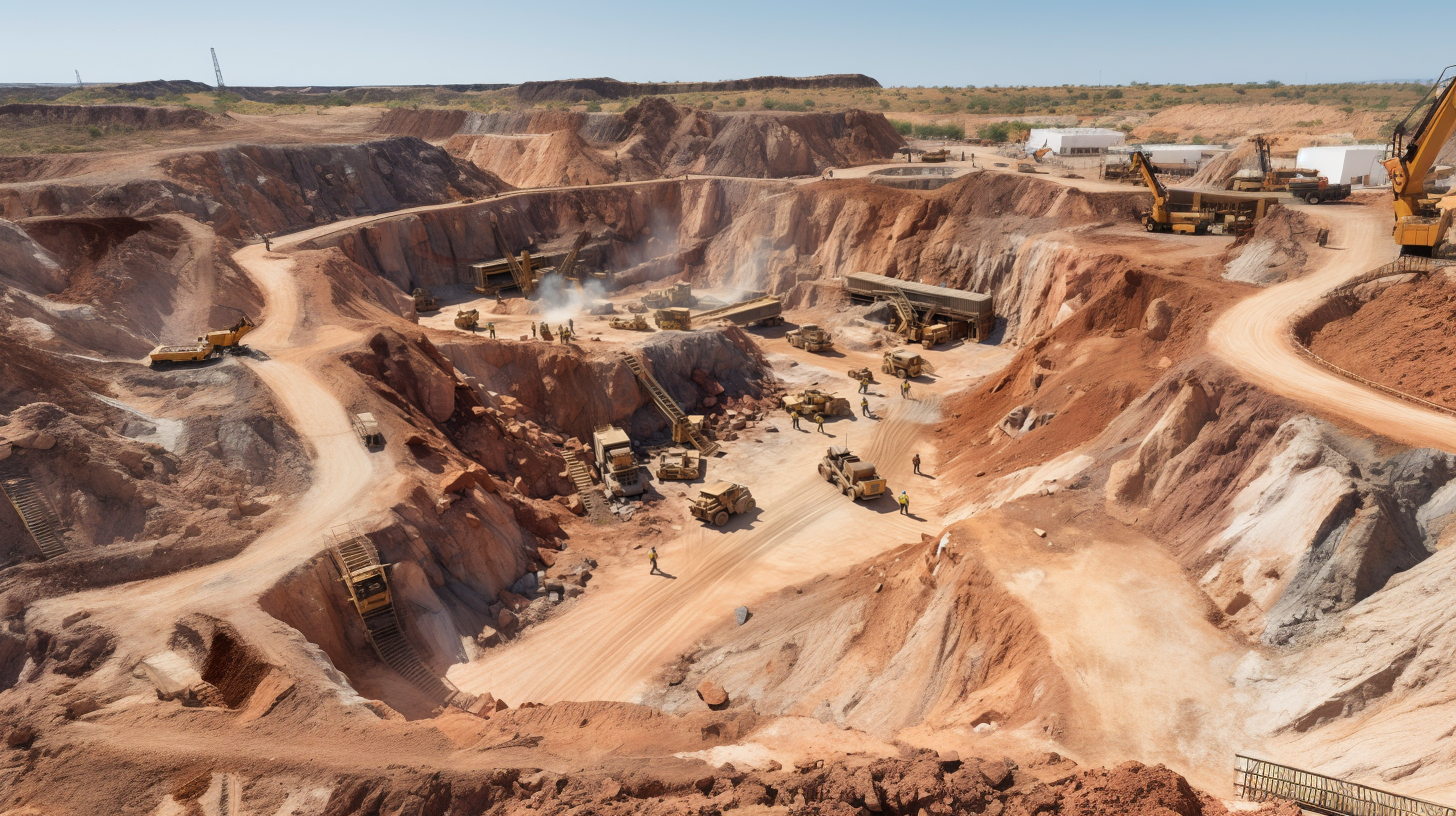
Site visitsConduct site visits to check on ESG compliance

Being able to have a cuppa, talk with them in their place, and see them at work brought the responses to the due diligence to life.

I was particularly interested in the Health & Safety elements and seeing how workstations were set up, the gear they would wear, and the manner in which they conducted their work was vital to tick it off.

Health & Safety would fall under the Governance element as part of the business policy and process controls as an FYI.

If one of your vendors is in a high-risk country for modern slavery or a high-risk industry, such as garment making, tea, or battery tech, you'll want to get confirmation that they really are doing the good things they say they are.

4. Include ESG Clauses in Contracts

To ensure they continue to do this, you'll want to include ESG clauses within your contracts and have the right to audit as you see fit.

This could be clauses around:

  • Disposal of waste or products
  • The requirements around circular economy
  • Ensuring a level of pay was reached (something we’d do in my last role to ensure our partners were doing the right thing)

There’s likely going to be a need to create new clauses to enable ESG.

In Summary

Assessing vendors for ESG doesn't have to be intimidating.

You can ensure your supply chain is sustainable and socially responsible by:

  • Defining your ESG goals and criteria
  • Building out a due diligence questionnaire
  • Reviewing vendors based on their responses
  • Conducting site visits and including ESG clauses in contracts

Gatekeeper offers ESG capabilities and vendor onboarding support, so if you're interested in developing your capability around this, book a demo today.