





Vendor Management
Manage, consolidate and control spend across every vendor.
Connect every vendor, contract, obligation, renewal and line of spend on one record, so you can cut duplicate vendors, control spend and onboard new vendors faster, with risk checks completed before anyone signs.
Trusted by companies you know and love





Every team runs its own vendors, and it costs you.
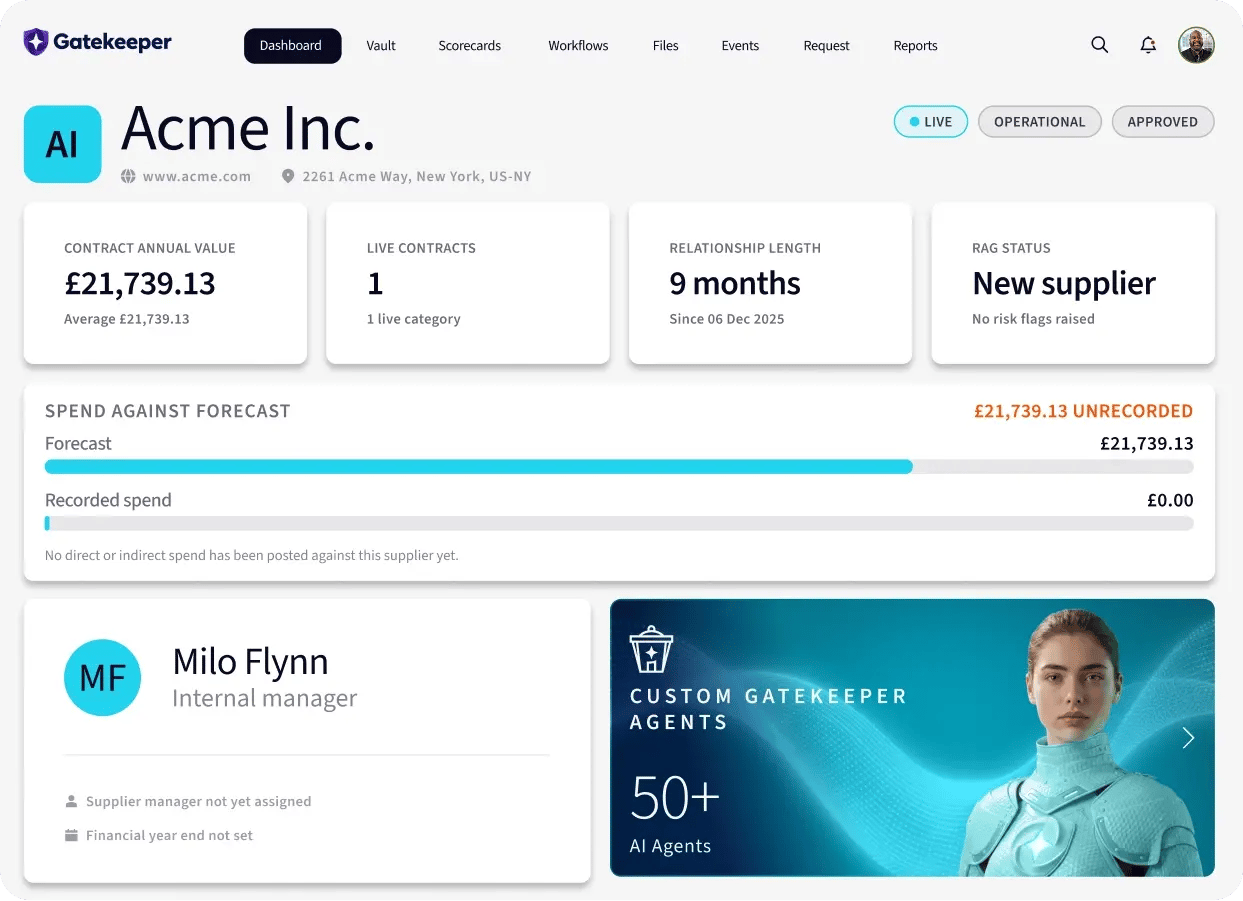
Gatekeeper puts vendor risk, contracts, performance and spend on one record, so you can manage and consolidate vendors in one place.
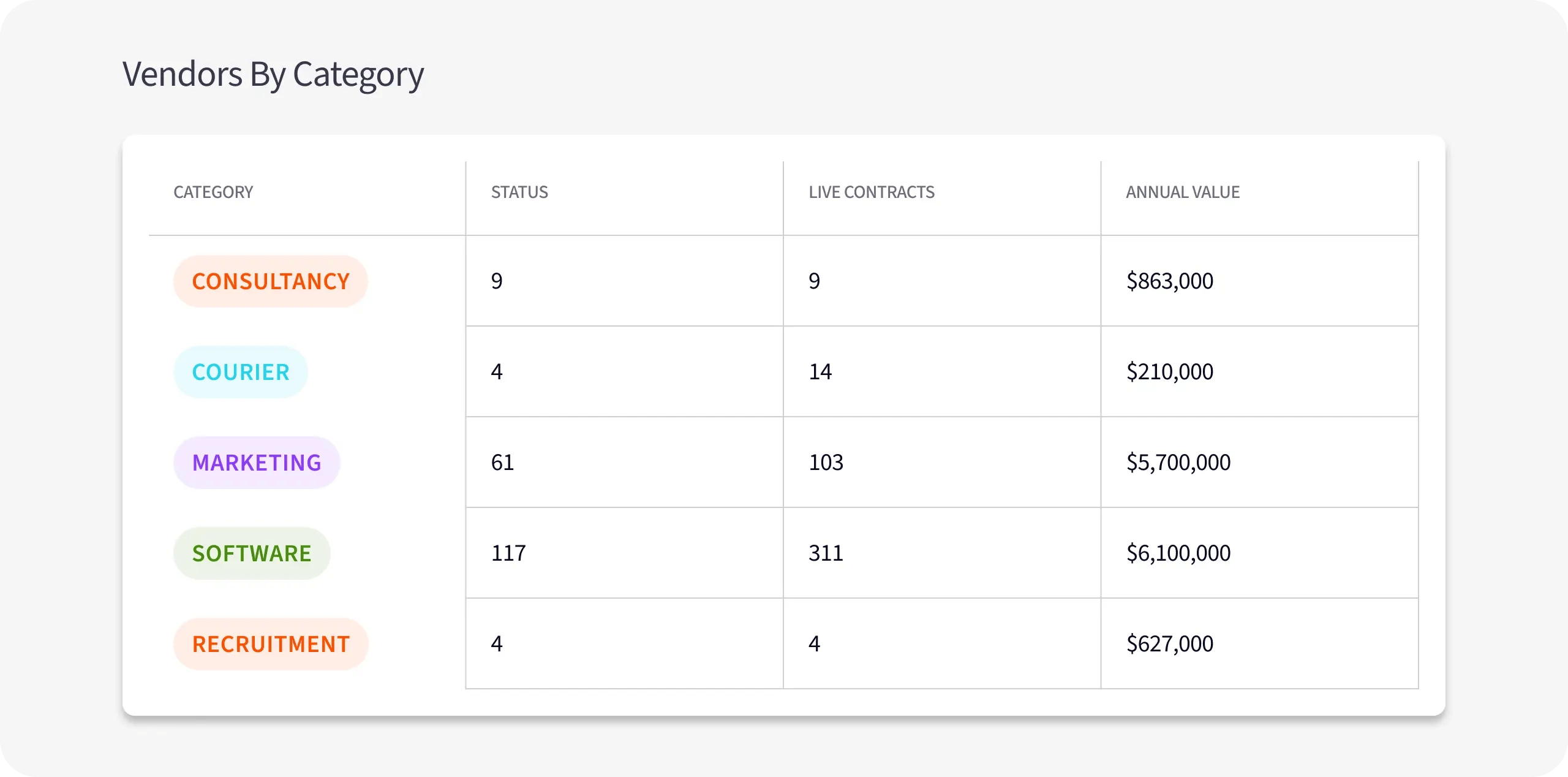
Consolidate vendors across teams.
As you grow, teams sign up for their own tools, so the same job gets paid for three times under three names, and no one sees the overlap until the invoices arrive. AI Agents read your vendor and spend data, surface the overlaps and quantify what consolidation could save.
You stop paying twice for the same service, and you walk into every renewal with the full picture.
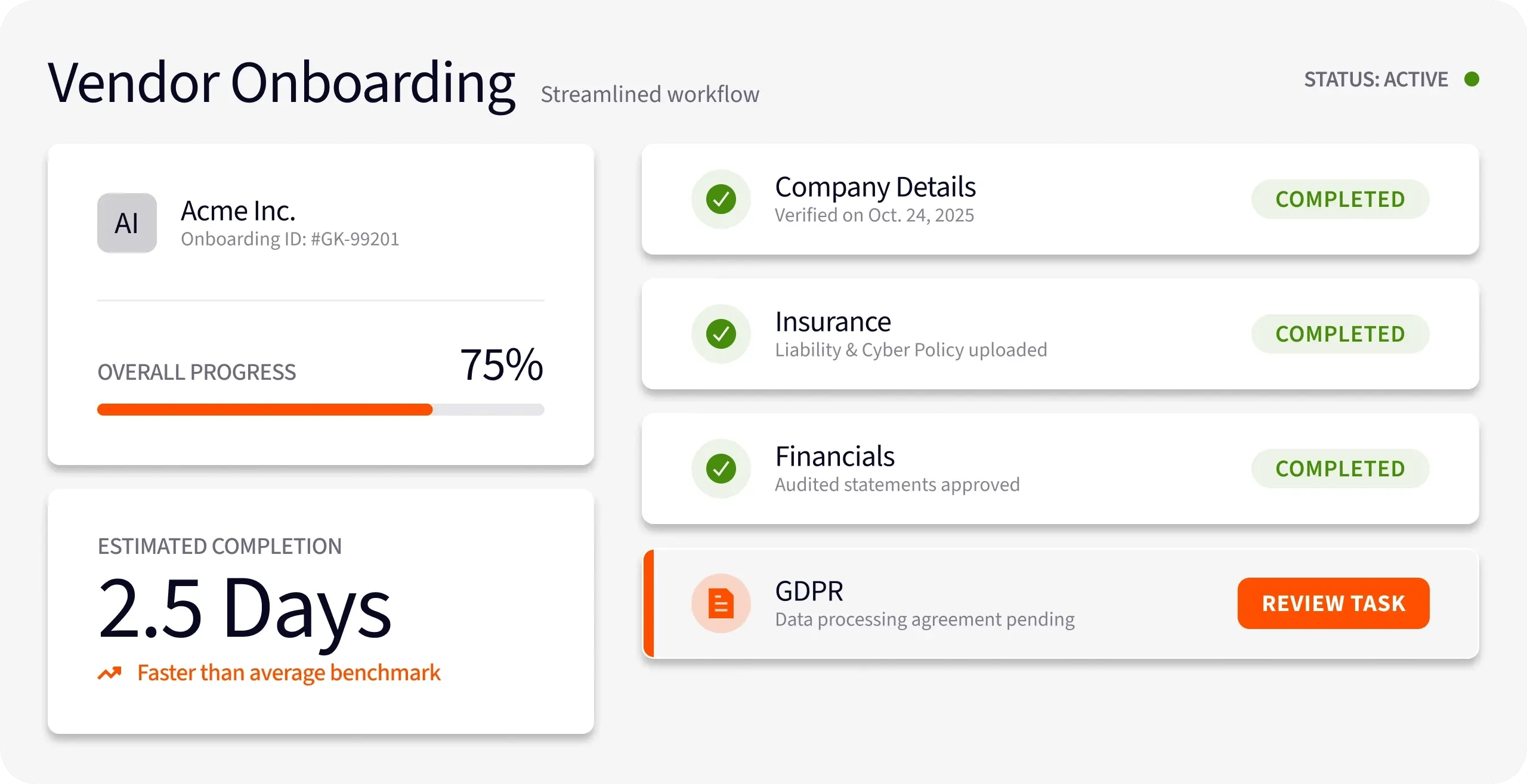
Onboard a new vendor in days, not months.
Onboarding drags when a risk check has no owner and the evidence sits in an inbox.
AI Agents run vendor due diligence and ongoing compliance: collecting evidence, chasing what's missing, and validating vendors against the applicable frameworks, so risk surfaces early and every decision is backed by a complete audit trail. Make approval a one-click decision.
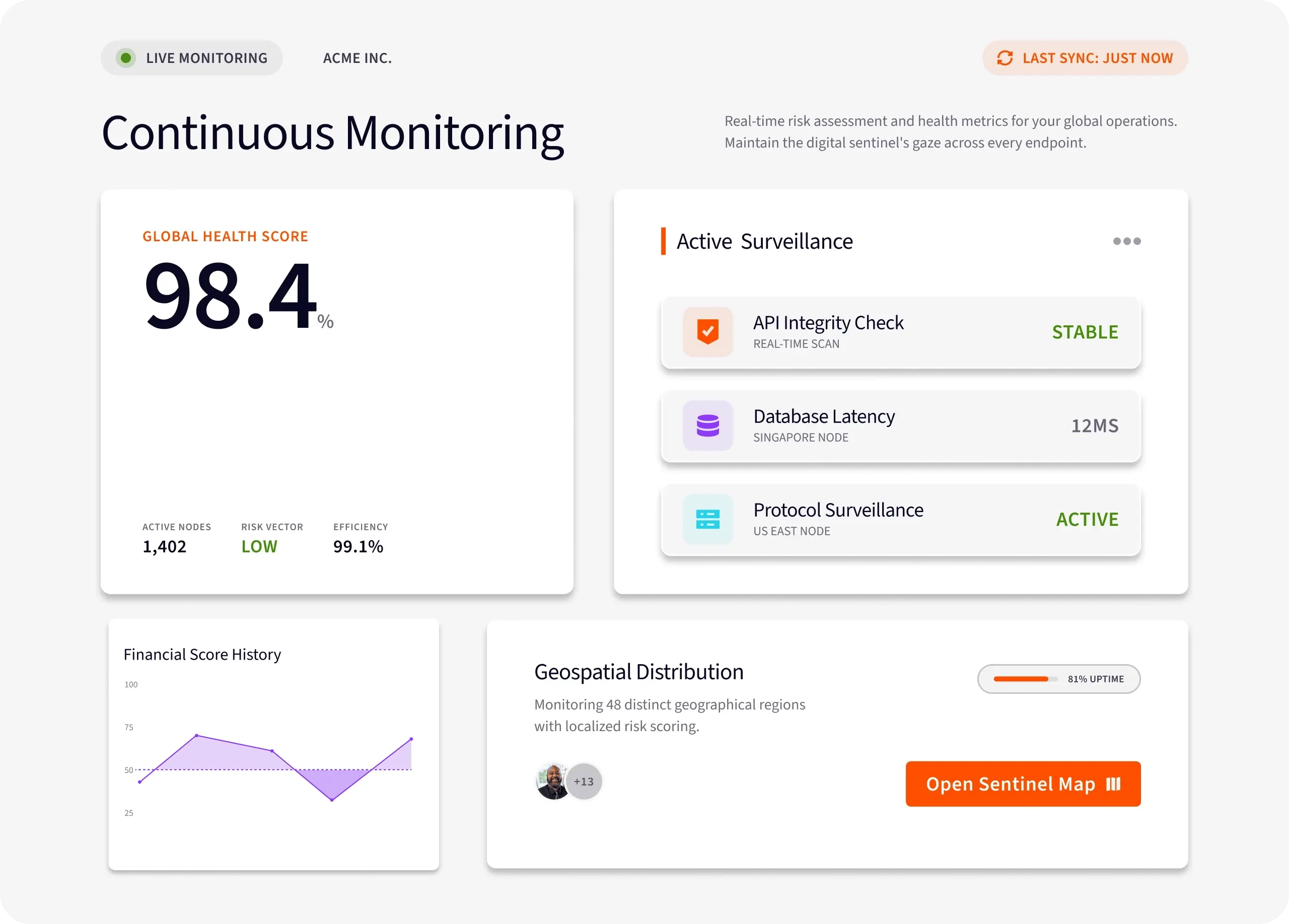
Keep every third party current, not checked once a year.
Vendor risk often goes dark the day after onboarding. Gatekeeper Agents monitor continuously, tracking certificates and expiry, watching financial and security signals, and re-running assessments on the schedule you set, tiered by each vendor's criticality.
Problems surface while you can still act on them, and audit readiness becomes a steady state rather than a scramble against the clock.
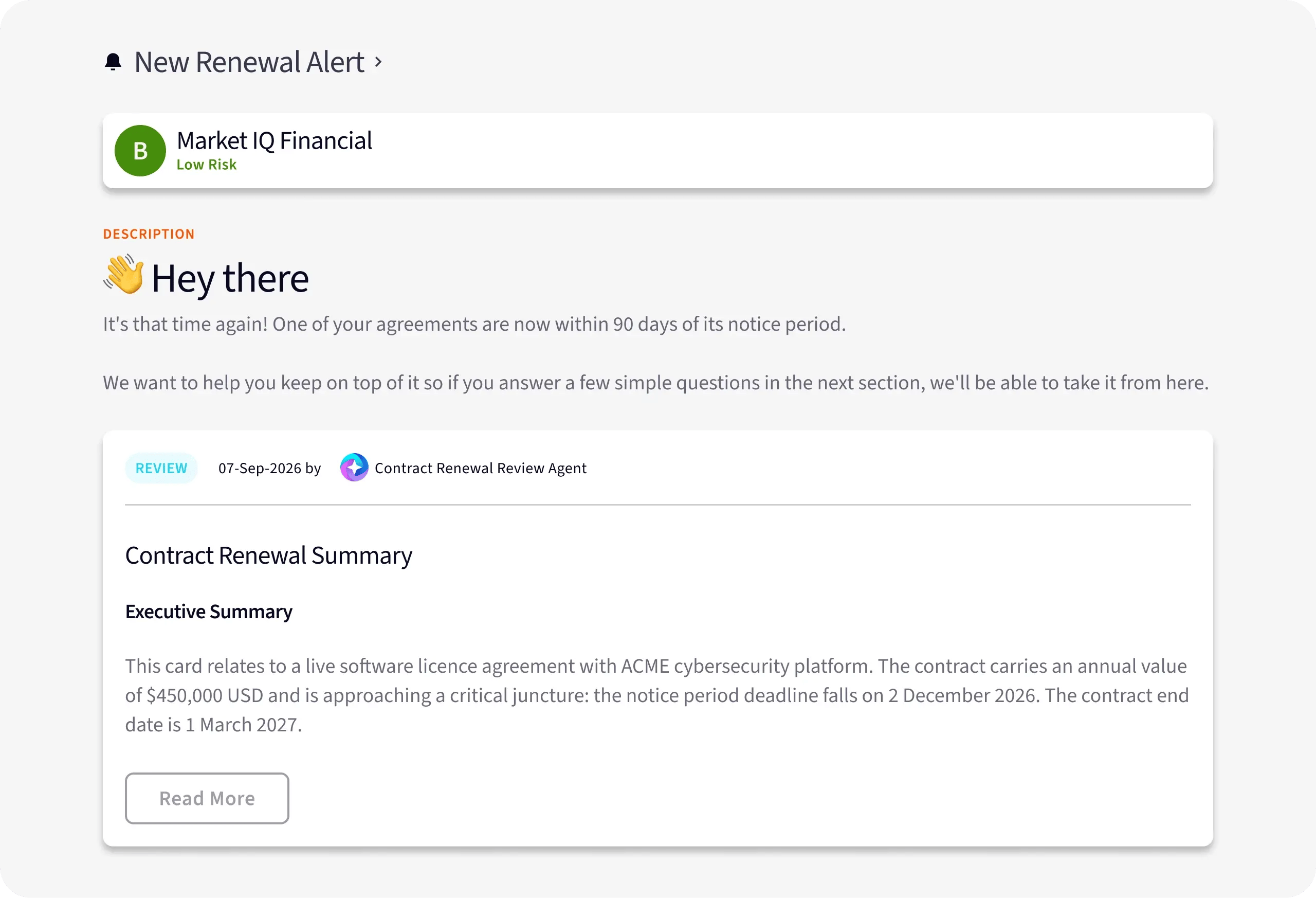
Turn every renewal into a decision.
Auto-renewals become expensive when they happen before anyone checks whether the vendor has earned another year.
Gatekeeper surfaces renewals early, with performance history and spend attached, so you can renegotiate, consolidate, or walk away while there is still time.
The contract stops being something you sign and shelve and becomes a live record you can act on.
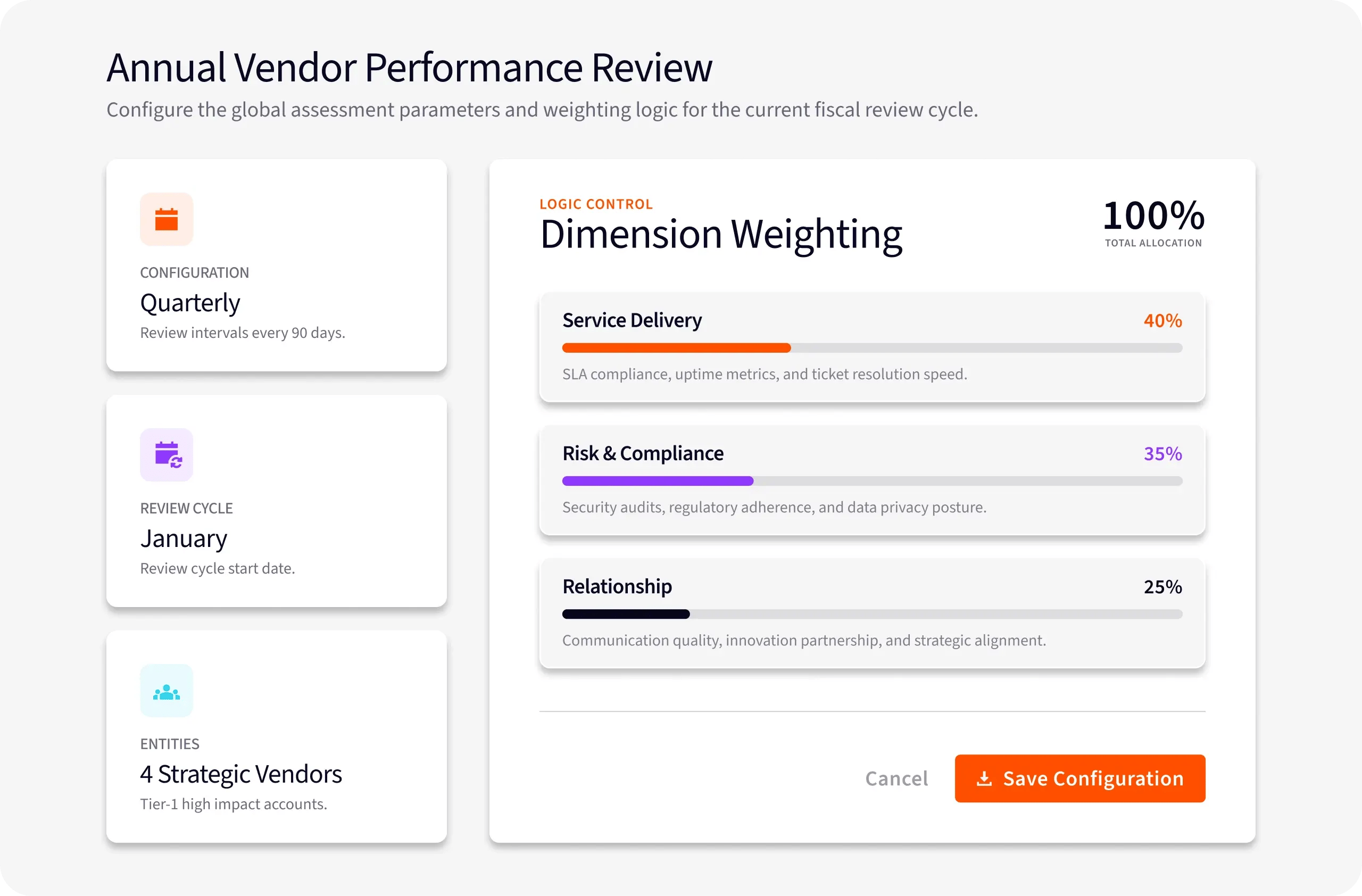
Hold vendors to what they promised.
Vendor performance often lives in the heads of a few people, making every renewal a matter of memory.
Gatekeeper tracks performance against contract commitments, with scorecards tied to real spend, so the conversation runs on numbers the vendor cannot dispute. Your team moves from chasing and reconciling to managing the relationships that matter.
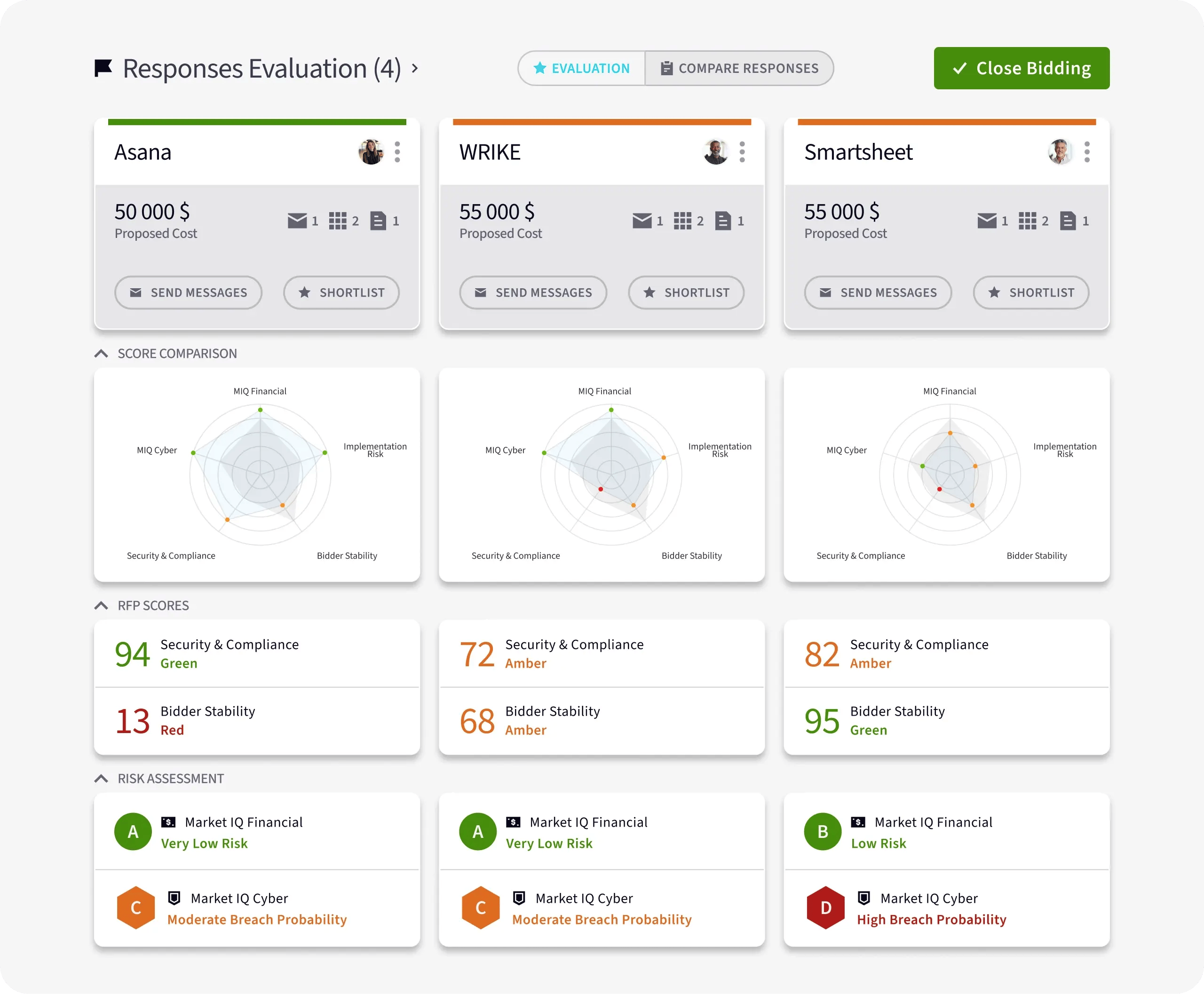
Source new vendors on the same record.
Most sourcing tools end at the decision. In Gatekeeper, the decision is where the vendor relationship starts. Sourcing adds structured stages for RFPs, research, shortlisting, evaluation, and award.
Every stage writes to the vendor record, so the contract, the risk profile, and the performance baseline all carry forward. Nothing is re-entered.
one unified record
Every capability, unified.

One system of truth.
Customer and vendor contracts, obligations, and renewals in one record.
See spend against contract.
Contract value sits alongside actual spend.
No single point of failure.
Contract knowledge lives in the platform, so nothing is lost when someone changes role or leaves.
Draft from approved templates.
Every agreement starts from language Legal already trusts.
Maintain control of the clause library.
Guard-railed templates keep off-policy wording from going out.
Nothing renews unnoticed.
Every renewal date is tracked, with owners and reminders set automatically.
Recognised by customers




Case studies
Real teams, real results.
-
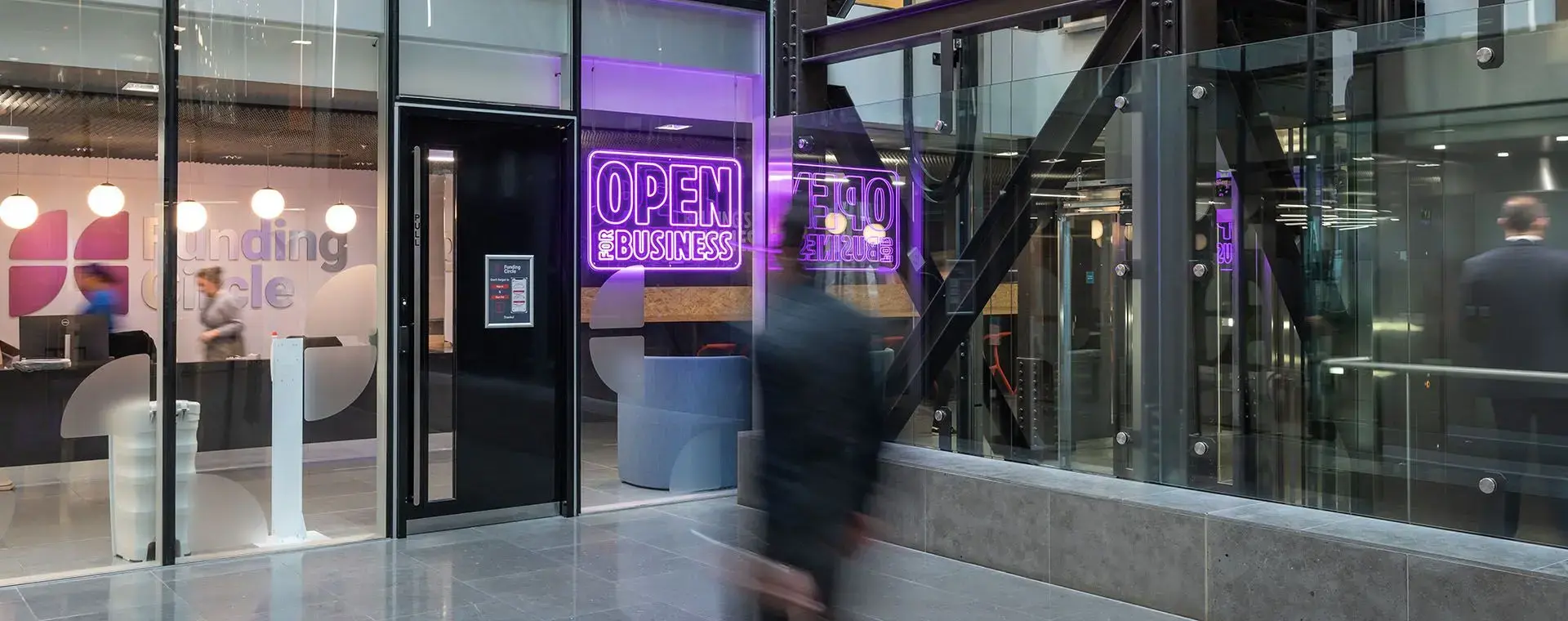 How Funding Circle saved a total value of circa £1Million with Gatekeeper
case study
“Gatekeeper gives us excellent control and visibility of spend, which we have never had before. We have been able to terminate contracts that no longer serve us with a total value of circa £1m.”
Krupa Patel
Head of Procurement UK & US (Global).
Explore Funding Circle
How Funding Circle saved a total value of circa £1Million with Gatekeeper
case study
“Gatekeeper gives us excellent control and visibility of spend, which we have never had before. We have been able to terminate contracts that no longer serve us with a total value of circa £1m.”
Krupa Patel
Head of Procurement UK & US (Global).
Explore Funding Circle
-
 How Redwood Logistics automated contract renewal reviews with Gatekeeper Agents
case study
“Gatekeeper’s Agents handle the work my team would normally do at the start of every renewal. It is 95% faster to get the context we need, on every renewal, hundreds of times a year.”
Gubio Henrique
SVP of Sourcing and Purchasing, Redwood Logistics
Explore Redwood Logistics
How Redwood Logistics automated contract renewal reviews with Gatekeeper Agents
case study
“Gatekeeper’s Agents handle the work my team would normally do at the start of every renewal. It is 95% faster to get the context we need, on every renewal, hundreds of times a year.”
Gubio Henrique
SVP of Sourcing and Purchasing, Redwood Logistics
Explore Redwood Logistics
-
 How CompSource Mutual reduced executive review time by 95% with Gatekeeper Agents
case study
“Deploying Gatekeeper’s agents has been transformative for our organisation. It’s freed up so much time for us to focus on more strategic projects, and it’s really got our gears going on what we can do in the future.”
Tim Harvey
Procurement Director, CompSource Mutual Insurance
Explore CompSource Mutual
How CompSource Mutual reduced executive review time by 95% with Gatekeeper Agents
case study
“Deploying Gatekeeper’s agents has been transformative for our organisation. It’s freed up so much time for us to focus on more strategic projects, and it’s really got our gears going on what we can do in the future.”
Tim Harvey
Procurement Director, CompSource Mutual Insurance
Explore CompSource Mutual
One unified platform for every team
Built for finance, procurement and legal teams.
-

 For Procurement
Onboard and contract faster, without cutting corners.
-
Compliant onboarding
-
Risk-aware contracts
-
Supplier performance & savings
-
-

 For Legal
Keep every contract defensible, without slowing the deal.
-
Contract review
-
Clause control
-
Faster redlines
-


Expert insight & opinion
Related guides and resources.
Explore our insights, opinions and product information on vendor and contract lifecycle management.
-
 Article
Best Vendor Management Software 2026: VLM features, comparisons and reviews
Discover the best vendor lifecycle management software for your business. Compare features, ease of use, and customer reviews.
Explore VLM software
Article
Best Vendor Management Software 2026: VLM features, comparisons and reviews
Discover the best vendor lifecycle management software for your business. Compare features, ease of use, and customer reviews.
Explore VLM software
-
 Article
Vendor Management KPIs: How to Track Vendor Performance
Stop chasing spreadsheets. See how Gatekeeper unifies KPIs, risk, and spend data to improve vendor performance, cut waste, and protect margins.
How to track performance
Article
Vendor Management KPIs: How to Track Vendor Performance
Stop chasing spreadsheets. See how Gatekeeper unifies KPIs, risk, and spend data to improve vendor performance, cut waste, and protect margins.
How to track performance
-
ARTICLE
Vendor Consolidation 2026: A Framework for Smarter Procurement
Discover how to reduce cost, mitigate risk, and streamline vendor management with a modern vendor consolidation framework. Learn why AI-powered procurement is essential in 2026.
Discover the framework